
Le ski est un sport d’hiver populaire apprécié par des personnes de tous âges. C’est une excellente façon de sortir et de profiter de l’air frais, et c’est aussi un excellent moyen de s’entraîner. Le ski peut être pratiqué de différentes manières, de la course en descente au ski acrobatique, et il existe de nombreux types de stations de ski.
Il existe des stations de ski dans le monde entier, et chacune d’entre elles possède une beauté unique. Voici dix des plus belles stations de ski dans le monde.
Zermatt, Suisse
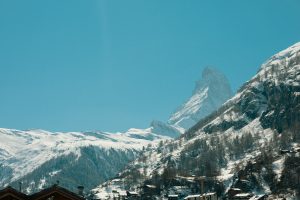 Zermatt est une petite ville des Alpes suisses qui est surtout connue pour son mont Cervin. Le Cervin est l’une des montagnes les plus emblématiques du monde, et c’est un endroit populaire pour les grimpeurs et les skieurs. La ville de Zermatt est située à la base du Cervin, et elle possède un grand nombre d’attractions touristiques dont le musée du Cervin et le chemin de fer du Gornergrat.
Les domaines skiables à Zermatt sont le Matterhorn Glacier Paradise, qui est le plus haut domaine skiable d’Europe, et le Klein Matterhorn, dont le téléphérique emmène les skieurs à une altitude de près de 3883 mètres. Si vous êtes amateurs de ski, et si vous êtes un grimpeur, vous pouvez tenter l’ascension du Cervin.
Chamonix, France
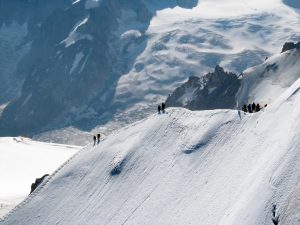 Chamonix est une ville des Alpes françaises située près de la frontière suisse. C’est l’une des plus anciennes stations de ski de France, et c’est là que se sont déroulés les premiers Jeux olympiques d’hiver. Chamonix est un endroit populaire pour les alpinistes, et il possède de nombreuses voies d’escalade.
Les domaines skiables de Chamonix comprennent l’Aiguille du Midi, qui possède le plus haut téléphérique d’Europe, et le Mont Blanc, qui est la plus haute montagne des Alpes.
Si vous souhaitez faire du ski à Chamonix, la meilleure période pour y aller est de décembre à avril. La température moyenne à Chamonix en décembre est de -3 degrés Celsius, et la température moyenne en avril est de 9 degrés Celsius.
Il existe plusieurs façons de se rendre à Chamonix. Vous pouvez prendre l’avion à l’aéroport international de Genève, qui est situé à environ une heure et demie de Chamonix. Vous pouvez également prendre le train de Paris à St-Gervais-les-Bains, qui se trouve à environ deux heures et demie de Chamonix.
Whistler Blackcomb, Canada
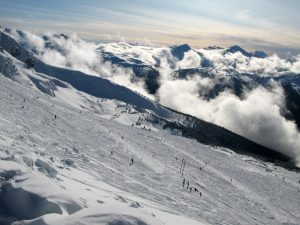 Whistler Blackcomb est une station de ski située en Colombie-Britannique, au Canada. Il s’agit de la plus grande station de ski d’Amérique du Nord, et c’est un endroit populaire à la fois pour les enfants et les adultes. La station compte deux montagnes, Whistler et Blackcomb, qui sont reliées par une télécabine.
Whistler Blackcomb abrite de nombreux domaines skiables différents, dont le Centre des sports de glisse de Whistler, qui est le site des Jeux olympiques d’hiver de 2010. La station compte également un certain nombre de restaurants, de bars et de boutiques.
Pour vous rendre à Whistler Blackcomb, vous pouvez prendre l’avion à l’aéroport international de Vancouver, qui se trouve à environ deux heures de la ville de Whistler. Vous pouvez également prendre le bus de Vancouver à Whistler, ce qui prend environ trois heures.
Aspen, Colorado, États-Unis
 Aspen est une station de ski de renommée mondiale située dans les montagnes Rocheuses du Colorado. C’est l’une des plus grandes stations de ski des États-Unis, et c’est un endroit populaire pour les amateurs de ski.
Elle est connue pour ses hôtels de luxe et ses pistes de ski, ainsi que pour la beauté de ses paysages. Aspen est également populaire pour sa vie nocturne, et abrite de nombreux bars et boîtes de nuit.
Pour vous rendre à Aspen, vous pouvez prendre l’avion à l’aéroport d’Aspen/Pitkin County, qui se trouve à environ trois kilomètres de la ville. Vous pouvez également prendre le bus depuis l’aéroport international de Denver, ce qui prend environ quatre heures.
Cervinia, Italie
 Cervinia est une station de ski située dans les Alpes italiennes. C’est un endroit populaire pour les skieurs et les alpinistes, et elle possède de nombreuses attractions touristiques.
Les domaines skiables de Cervinia sont composés du Mont Rose et du Breithorn. Pour vous rendre à Cervinia, vous pouvez prendre l’avion à l’aéroport international de Turin, qui se trouve à environ deux heures de la ville de Cervinia.
Vous pouvez également prendre le train de Milan à Stresa, qui se trouve à environ trois heures de Cervinia.
Saalbach-Hinterglemm, Autriche
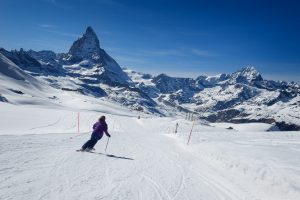 Saalbach-Hinterglemm est une station de ski située en Autriche. C’est un endroit populaire pour les skieurs et les snowboarders, et il y a plusieurs domaines skiables différents.
Parmi les domaines skiables de Saalbach-Hinterglemm, il y’a le Schattberg, qui est la plus haute montagne de l’Autriche et le Glemmtal. Si vous recherchez un domaine skiable plus difficile, vous pouvez essayer le Kitzsteinhorn.
Pour vous rendre à Saalbach-Hinterglemm, vous pouvez prendre l’avion à l’aéroport de Salzbourg, qui se trouve à environ une heure et demie de la ville de Saalbach-Hinterglemm. De l’étranger, vous pouvez également prendre l’avion à l’aéroport de Munich, qui se trouve à environ trois heures de route. Vous pouvez également prendre le train de Vienne à Zell am See, qui est à environ quatre heures de route.
Alpe d’Huez, France
 L’Alpe d’Huez est une station de ski située dans les Alpes françaises. C’est un endroit populaire pour les skieurs et les snowboarders, et offre de nombreuses pistes de ski différentes.
Il y a quatre domaines skiables principaux à L’Alpe d’Huez : la Sarenne, le DMC, les Grandes Rousses et l’Alpe du Grand Serre.
La piste noire de Sarenne de 16 km est l’une des plus longues d’Europe. À 3 000 m d’altitude, cette piste est également l’un des plus élevés.
Pour vous rendre à l’Alpe d’Huez, vous pouvez prendre l’avion à l’aéroport de Grenoble, qui se trouve à environ une heure de la station. Vous pouvez également prendre le train de Paris à Bourg-Saint-Maurice, qui se trouve à environ six heures de route.